Breathwork for Stress Relief: The Most Underrated Part of Your Practice
You may not notice it at first. You roll out your mat, settle into a pose, and start moving. The class feels familiar. But then the instructor says, “Take a slow breath in,” and something shifts. Your shoulders lower. Your jaw softens. For a moment, the noise in your mind pauses. This is the power of breathwork for stress relief, and it is one of the most underrated parts of yoga.
Breath is the body’s most accessible tool for emotional balance. Unlike posture or flexibility, you do not need experience to use it. A single intentional breath can affect heart rate, muscle tension, and how the brain processes stress. At a time when so many of us juggle long hours, screens, and physical demands, breath becomes a lifeline.
Why Breath Matters More Than Ever
We live in a culture of speed. We move quickly, work quickly, and even rest quickly. The nervous system adapts by staying alert. Breath is how we remind it to settle.
Slow, intentional breathing signals safety. The body exits fight-or-flight mode, releasing tension stored in the shoulders, belly, and jaw. Breath downshifts the nervous system from urgency to presence. This is why so many people leave yoga classes in Boston, not only more flexible, but also more grounded.
Breathwork is not theory. It is physiology. When you change your breath, you change your state.
Techniques That Calm the Mind
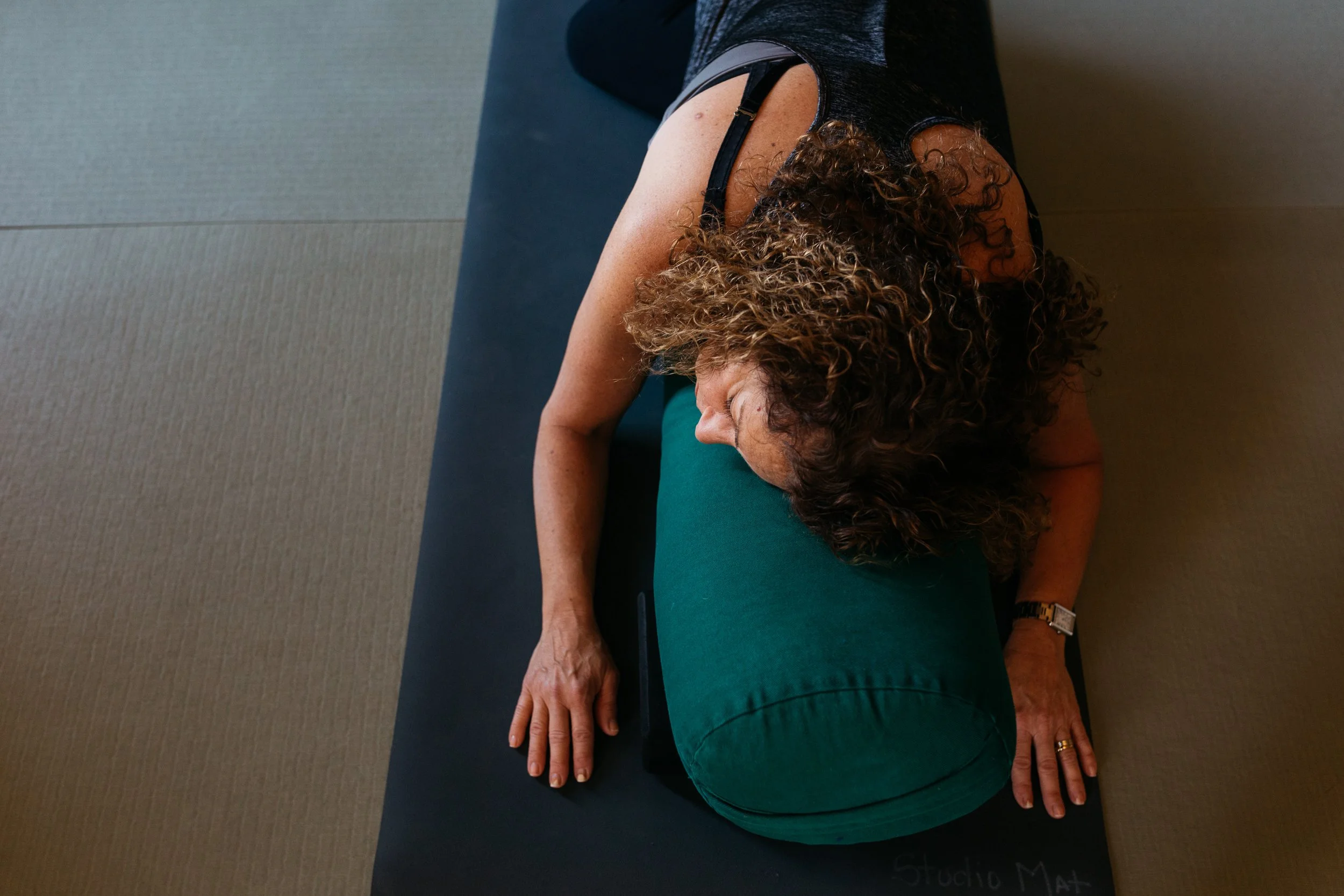
You do not need complicated choreography to regulate your body. One of the simplest practices is lengthening your exhale. When the exhale becomes longer than the inhale, the heart rate begins to slow. In class, this may sound like, “Inhale for four, exhale for six.” The result is subtle but powerful.
Another technique often used in yoga classes in Worcester or during aerial yoga in Boston is soft belly breathing. Instead of forcing the breath into the chest, the body expands through the ribs and abdomen. This frees tension in the diaphragm and helps tired muscles rest.
Students who practice regularly describe feeling clearer after class. Their minds feel organized. Their bodies feel lighter. These are not dramatic gestures — just practiced simplicity.
How Breath Deepens Your Yoga
Breath shapes movement. A pose without breath is just exercise. Breath with movement becomes practice.
When breath is steady, transitions become smoother, and balance feels more stable. Even challenging postures feel more manageable when the body is not fighting itself. Over time, this transforms how you approach difficulty — both on the mat and outside of it.
Breath is also the quiet strength behind recovery. Whether someone attends beginners’ yoga in Worcester, teens yoga in Framingham, or a focused mobility class at a Framingham yoga studio, the most common benefit is a sense of calm that lasts well beyond the final pose.
This is why breathwork is trending. It supports performance, emotional clarity, and resilience.
Try Breathwork at Common Ground Yoga
If you want a place to breathe deeply, move intentionally, and reset from the pace of daily life, join us at Common Ground Yoga. In every class, we teach simple breathwork you can use anywhere — at your desk, in your car, before a meeting, or after a long run. We offer supportive movement, time to unwind, and a grounded environment where you can practice being present. View our schedule, book a class, and come experience how breath can change everything.